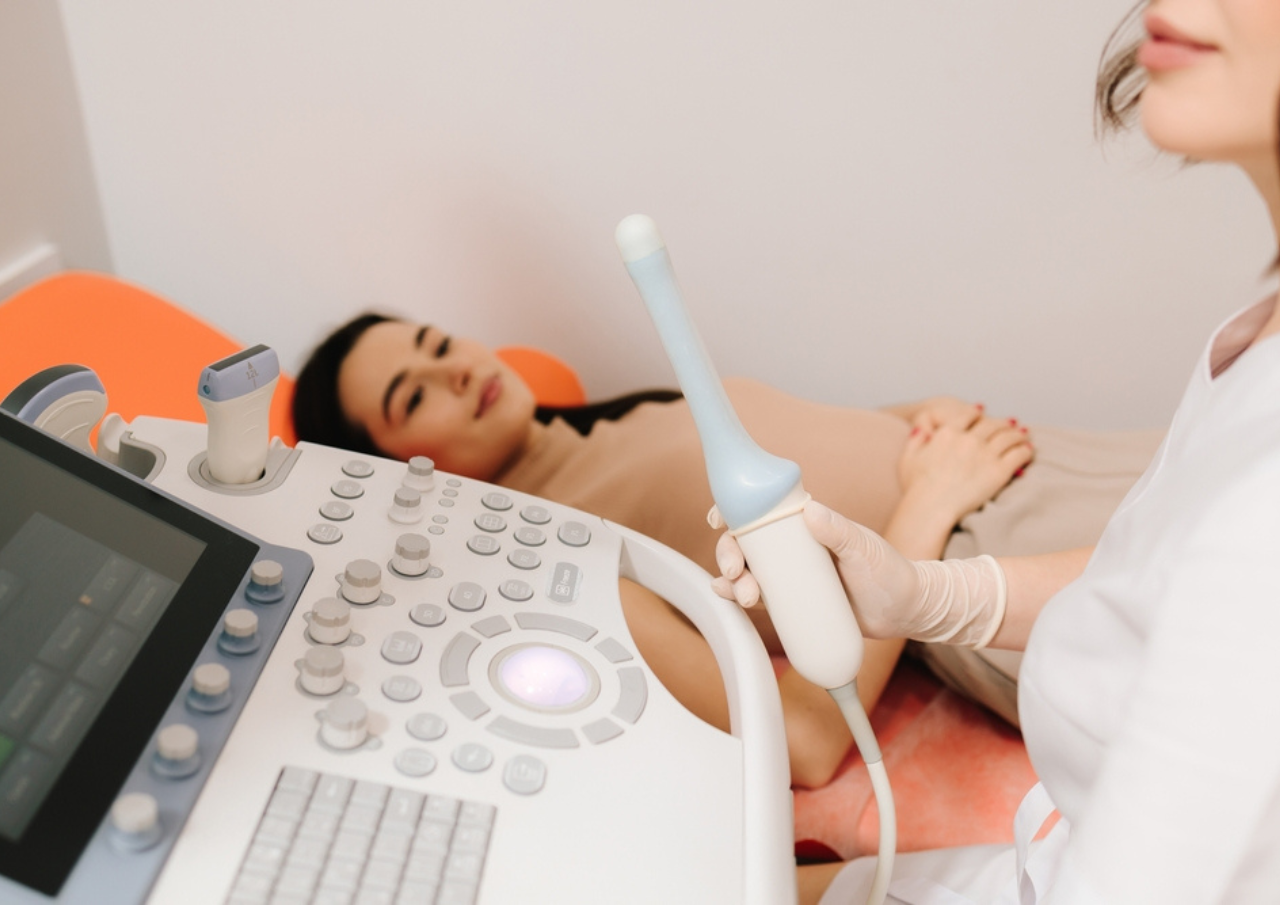

Sonohysterogram in Fairfax, VA: Your Guide to Transvaginal Ultrasound
Sonohysterogram in Fairfax, Virginia, is a diagnostic imaging procedure commonly used in fertility evaluations to closely examine the uterus. Often referred to as a saline infusion sonogram, this transvaginal ultrasound helps providers identify uterine conditions that may affect implantation or pregnancy. Understanding how the procedure works and what it evaluates can help patients feel prepared and confident going into the appointment.
What Is a Sonohysterogram in Fairfax, Virginia?
A sonohysterogram is a specialized ultrasound that uses sterile saline and transvaginal imaging to provide a clear view of the uterine cavity. Unlike a standard pelvic ultrasound, the saline gently expands the uterus, allowing providers to see structural details more clearly.
Because of its precision, Sonohysterogram in Fairfax, Virginia, is frequently used as part of infertility testing, prior to IVF, or before embryo transfer.
Why a Sonohysterogram Is Performed
This procedure is used to identify abnormalities inside the uterus that may interfere with pregnancy. These can include uterine polyps, fibroids, scar tissue, or congenital uterine shape differences. A sonohysterogram can also help assess the uterine lining and confirm that the cavity is suitable for implantation.
In fertility care, the results play an important role in treatment planning. Identifying and addressing uterine concerns early helps optimize outcomes.
Preparing for a Sonohysterogram in Fairfax, Virginia
A sonohysterogram is typically scheduled shortly after menstruation ends but before ovulation. This timing ensures the uterine lining is thin and reduces the chance of performing the test during pregnancy.
Patients may be advised to take an over-the-counter pain reliever before the appointment to reduce mild cramping. Light spotting afterward is normal, and most patients can resume normal activities the same day. Clear instructions are provided ahead of time to help patients prepare for Sonohysterogram in Fairfax, Virginia.
What Happens During the Transvaginal Procedure
The procedure begins with a standard transvaginal ultrasound. A thin catheter is then placed through the cervix, and sterile saline is slowly introduced into the uterus. As the uterus fills, transvaginal ultrasound imaging captures detailed views of the uterine cavity.
Most patients describe the sensation as mild pressure or cramping that lasts only a few minutes. The entire procedure typically takes less than 30 minutes.
What the Results Can Reveal
A sonohysterogram provides valuable insight into uterine health. It can detect growths, adhesions, or structural differences that may not be visible on a traditional ultrasound. In some cases, the test can confirm that the uterine cavity is normal, allowing treatment to move forward without delay.
If abnormalities are found, your provider will discuss next steps. These may include additional imaging, minor procedures, or adjustments to your fertility treatment plan.
Risks and Safety Considerations
Sonohysterograms are considered safe and well tolerated. Infection and complications are rare. Some patients experience temporary cramping or spotting following the procedure, which usually resolves quickly.
Because Sonohysterogram in Fairfax, Virginia, is minimally invasive and does not involve anesthesia, recovery time is minimal. Patients are typically able to return to work or daily activities the same day.
How Sonohysterogram Fits into Fertility Care
This test plays a key role in ensuring the uterus is ready to support pregnancy. Whether performed before IVF, embryo transfer, or other fertility treatments, sonohysterograms help providers make informed decisions and personalize care.
Accurate uterine evaluation allows fertility specialists to address potential barriers early, improving the chances of successful implantation.
Advanced Fertility Testing in Fairfax, Virginia
If you are undergoing fertility evaluation or preparing for treatment, Annandale Fertility offers comprehensive diagnostic testing, including sonohysterograms, as part of personalized care plans.
To learn more or schedule a consultation online or give our office a call at 703-462-8665.